Charting the Connections Between Payment Processing, Reward Systems, and Safety Nets in Digital Gambling Applications
Ines Simmons · Sep 22, 2026
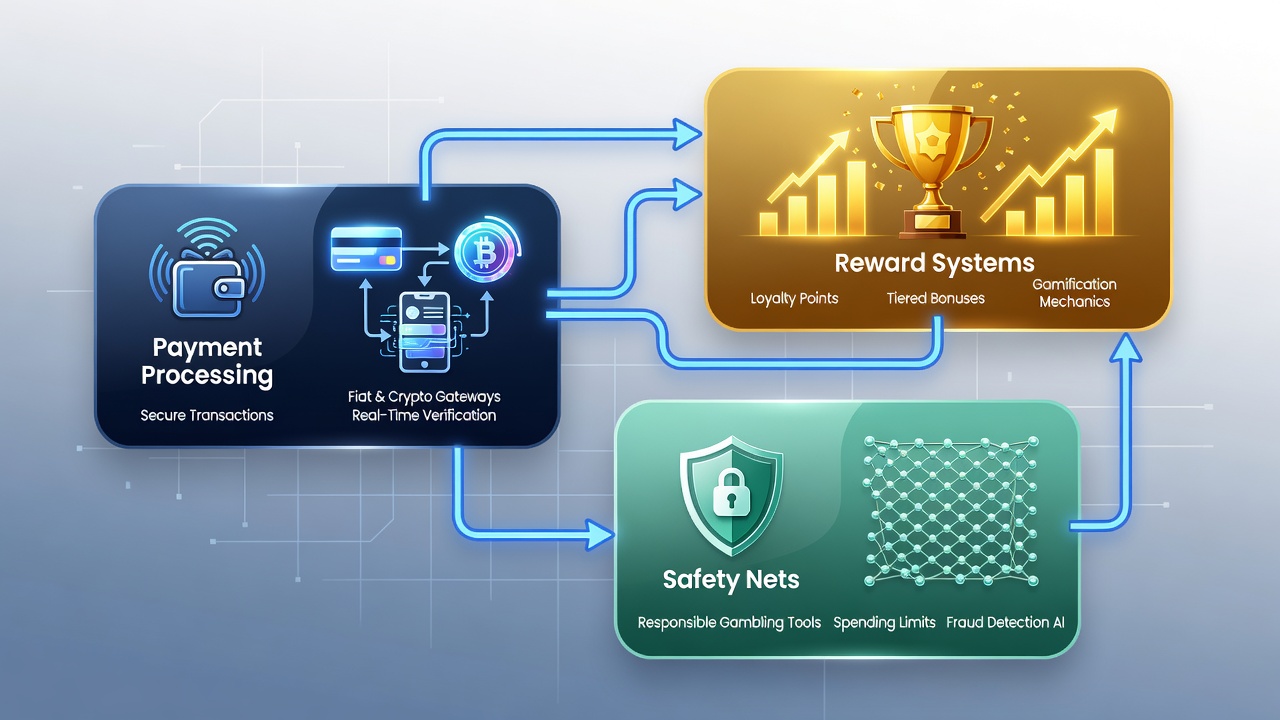
Charting the Connections Between Payment Processing, Reward Systems, and Safety Nets in Digital Gambling Applications
Payment processing in digital gambling applications connects directly with reward systems and safety nets through integrated platforms that handle deposits, bonus allocations, and limit enforcements in real time. Data from regulatory reports shows these elements operate together when users fund accounts, claim promotions, and set spending boundaries within the same software environment. Observers note that seamless transaction flows allow reward triggers to activate immediately after deposits clear, while safety features monitor those same activities to flag potential issues before they escalate.
Payment Processing Foundations in Mobile Platforms
Digital gambling applications rely on payment gateways that support multiple methods including credit cards, e-wallets, and bank transfers, each processed through secure APIs that verify funds within seconds. Research indicates that these systems log every transaction with timestamps and amounts, creating records that reward engines and safety protocols both reference. Those who've studied transaction data find that faster processing times correlate with quicker reward distribution, as bonuses often unlock only after confirmed deposits reach the account balance.
September 2026 saw several platforms update their payment infrastructures to include instant verification for cryptocurrency options alongside traditional methods, according to industry tracking services. This shift expanded access for users in regions with varying banking regulations while maintaining audit trails required by oversight bodies. Experts have observed that such updates reduce friction between funding steps and subsequent reward claims, yet they also feed directly into monitoring tools that track deposit frequency.
Reward Systems and Their Ties to Transactions
Reward systems in these applications calculate bonuses, loyalty points, and cashback based on deposit volumes and play patterns recorded through payment processors. Studies from gaming research groups reveal that percentage-based rewards activate automatically once payment confirmations arrive, linking the financial inflow to promotional credits without manual intervention. People often find that these mechanics encourage continued engagement because rewards appear in the same interface as account balances updated by recent transactions.
One case examined by analysts involved loyalty tiers that escalate with cumulative deposits tracked over monthly periods. The data shows higher tiers unlock better reward multipliers precisely because the underlying payment logs provide accurate spend totals. This integration means reward eligibility depends on verified transaction histories rather than self-reported activity.
Safety Nets Built Around the Same Data Streams
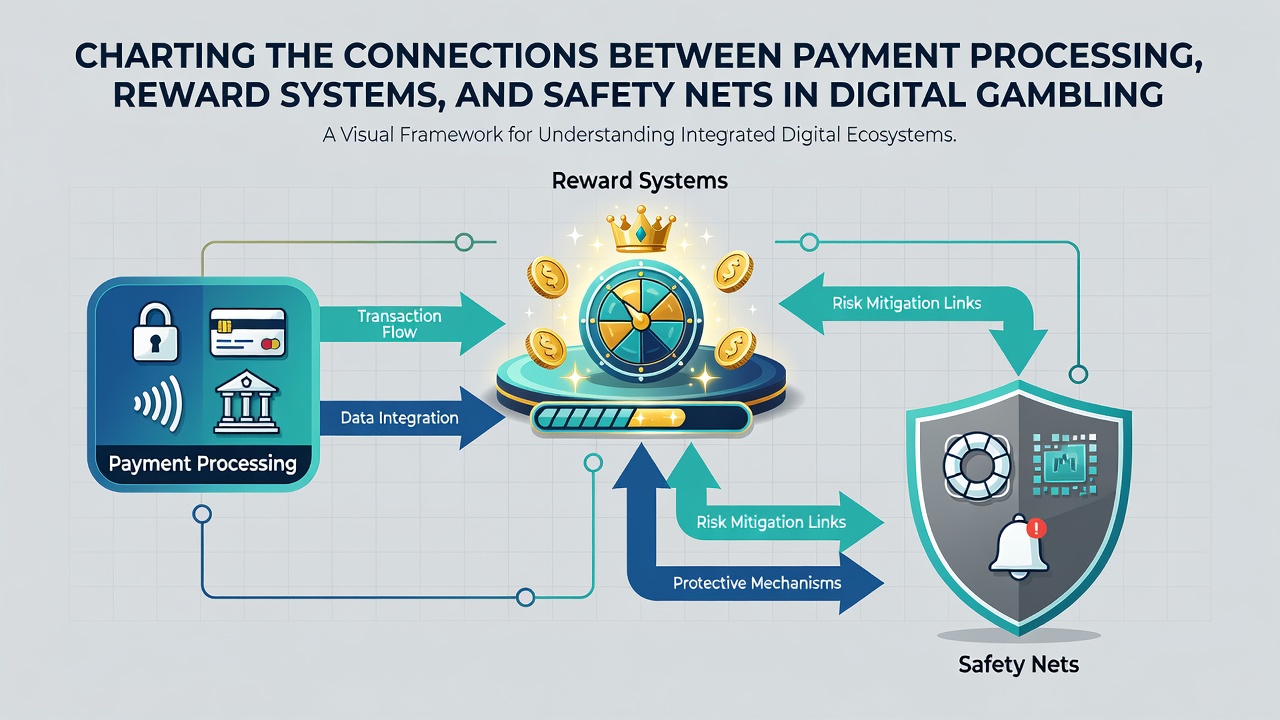
Safety nets such as deposit limits, session timers, and self-exclusion options draw from the same payment and activity data that powers rewards. According to findings from the National Council on Problem Gambling, these tools analyze transaction patterns in real time to enforce caps set by users or regulators. When a deposit approaches a preset threshold, the system blocks further processing while still allowing reward redemptions from existing balances.
Canadian regulatory summaries highlight how provincial frameworks require operators to connect payment processors with mandatory responsible gambling modules. These connections ensure that reward promotions cannot override limit settings, creating a layered approach where incentives and protections coexist within one application. Researchers discovered that users who engage with both reward and safety features simultaneously show more balanced activity logs over extended periods.
Integration Challenges and Technical Solutions
Developers face the task of aligning payment APIs with reward engines and safety dashboards without creating conflicts in data flow. Reports from academic reviews of gaming software indicate that modular architectures allow each component to pull from a central transaction database while applying independent rules. This setup prevents a reward claim from bypassing a safety limit because both systems query the same verified records before acting.
Turns out many applications now use encrypted tokens during payment authorization that carry metadata about user-set limits, enabling instant checks before funds transfer completes. Industry organizations tracking these developments note that such tokens also tag transactions eligible for specific rewards, streamlining the process while preserving oversight. The reality is that regulatory bodies in multiple jurisdictions, including those in Australia and parts of Europe outside the UK, mandate these overlaps to maintain compliance across payment, incentive, and protection layers.
Regional Variations in Connected Systems
Applications operating across borders adjust their integrated frameworks to meet local standards on payment verification, reward transparency, and safety enforcement. Data from cross-regional studies shows North American platforms often emphasize real-time limit tools tied to credit card processing, whereas European operators incorporate more detailed reward disclosure alongside transaction histories. Those who've examined compliance records find that unified backend systems handle these differences through configurable rule sets rather than separate codebases.
What's interesting is how these connections support audit requirements without disrupting user experiences. Payment processors feed anonymized aggregates to oversight agencies, while individual reward and safety data remains accessible only through authenticated user sessions. This dual approach satisfies reporting needs while keeping personal controls intact within the application.
Conclusion
The connections between payment processing, reward systems, and safety nets in digital gambling applications rest on shared data infrastructures that process transactions, distribute incentives, and enforce boundaries simultaneously. Evidence from regulatory and research sources demonstrates that these linkages improve operational efficiency and compliance across platforms. As developments continue into late 2026, teh same integration patterns appear in updates from multiple providers, reflecting ongoing alignment of financial, promotional, and protective functions.