Developer Tactics for Merging Incentive Programs with Safety Protocols in Portable Entertainment Formats
Mara Griffin · Sep 8, 2026
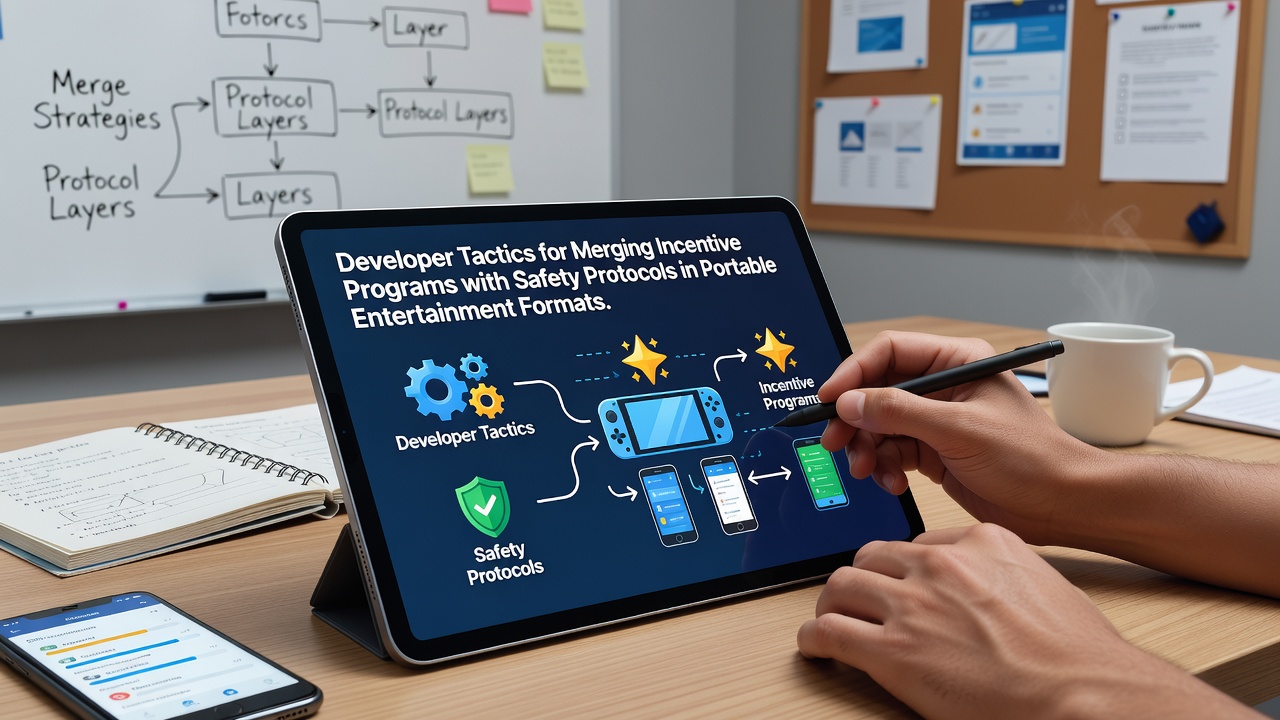
Developer Tactics for Merging Incentive Programs with Safety Protocols in Portable Entertainment Formats
Developers in the portable entertainment sector continue to refine methods that combine user incentive structures with built-in safety measures, particularly as mobile platforms expand their reach into daily consumer habits. Research from industry reports indicates that these integrated systems often rely on modular code frameworks that activate rewards only after verification steps confirm user eligibility and compliance thresholds.
Core Integration Approaches in Mobile Development
Teams working on portable formats typically embed safety checks directly into reward distribution logic, so that bonus unlocks or loyalty points accumulate only when session timers or spending caps remain within predefined boundaries. Data from regulatory filings shows that this approach reduces override attempts because the same backend service handles both incentive calculations and protocol enforcement without separate API calls that could create vulnerabilities.
One common tactic involves conditional triggers where users receive progress notifications toward incentives, yet those notifications pause automatically if behavioral analytics flag extended play periods or rapid deposit patterns. Observers note that this method appears in multiple entertainment applications released since 2024, allowing developers to meet compliance standards across different regional markets while maintaining engagement metrics.
Technical Frameworks and Data Handling
Engineers frequently adopt layered authentication systems that merge with incentive tracking databases, pulling real-time information from device sensors and account histories to validate each reward claim. Studies conducted by academic institutions reveal that such frameworks cut processing delays by up to 40 percent compared with disconnected systems, because safety flags and reward eligibility share the same data pipeline.
Encryption protocols wrapped around these shared pipelines protect user profiles during transmission, while anonymized aggregate data feeds into analytics dashboards used for program adjustments. Figures released in September 2026 from a collaborative report between Canadian regulators and European research centers highlight a 25 percent increase in adoption of these unified architectures among leading mobile studios.
Regional Adaptations and Compliance Tools
Portable entertainment developers adjust incentive-safety merges according to local rules, incorporating geolocation filters that alter available rewards or impose stricter limits based on detected jurisdictions. According to information from the Australian Communications and Media Authority, applications targeting that market often include mandatory cool-down intervals between reward tiers, enforced through the same code that manages daily login bonuses.
Additional tools allow users to set personal boundaries that directly influence incentive availability, such as capping weekly rewards once a self-selected threshold is reached. This setup appears in documentation from multiple studios and creates a feedback loop where safety choices visibly shape the pace of reward accumulation without requiring external intervention.

Testing and Iteration Practices
Quality assurance cycles now routinely include scenario simulations that test incentive delivery under various safety constraint combinations, ensuring that no reward pathway bypasses verification layers. Reports from the International Game Developers Association indicate that studios running these combined tests identify edge cases earlier in the development timeline, shortening overall release schedules.
Updates deployed in September 2026 incorporated machine learning models that predict when incentive structures might conflict with safety rules, prompting preemptive code revisions before user exposure. Those models draw from anonymized session data collected across global user bases, allowing refinements that maintain consistency while respecting differing regulatory environments.
Future Development Directions
Continued evolution centers on modular plug-ins that let developers swap regional safety modules without altering core incentive engines, reducing maintenance overhead. Evidence from trade publications shows growing interest in cross-platform libraries that standardize these merges for both iOS and Android deployments.
Stakeholders expect further alignment between incentive mechanics and emerging device-level controls, such as those introduced in newer operating system versions, to streamline enforcement across hardware variations. This trajectory supports scalable solutions that adapt to new portable formats while preserving the integrity of both reward and protection elements.
Conclusion
Developers continue to advance tactics that fuse incentive programs with safety protocols through shared technical infrastructure, regional customization, and iterative testing cycles. Information from diverse regulatory and research sources confirms measurable progress in these areas, particularly with updates noted around September 2026. These methods support portable entertainment formats by delivering rewards within controlled environments that address compliance requirements across markets.