Patterns Emerging When Software Developers Embed Moderation Protocols into Multiplayer Table Promotions Tied to Mobile Payment Streams
Mia Griffin · Oct 6, 2026
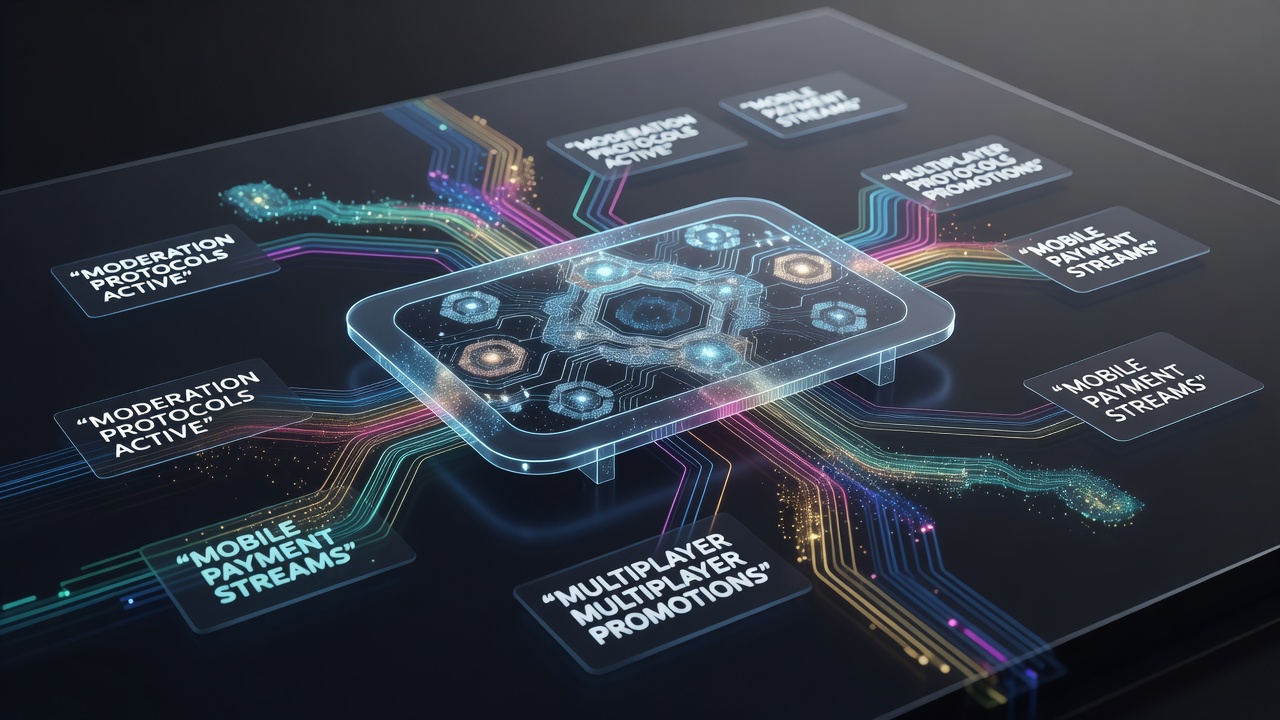
Patterns Emerging When Software Developers Embed Moderation Protocols into Multiplayer Table Promotions Tied to Mobile Payment Streams
Software developers have started integrating moderation protocols directly into multiplayer table promotions that connect with mobile payment streams, and this integration produces several observable patterns across different platforms and regions. These patterns appear in how transaction data triggers automated checks, how promotion eligibility links to player behavior monitoring, and how real-time adjustments occur during live table sessions. Developers use application programming interfaces to pull payment confirmations from mobile wallets while simultaneously running moderation scripts that flag unusual activity patterns before any promotional credits activate.
Integration of Payment Verification with Behavioral Flags
One clear pattern involves the synchronization of mobile payment authorizations with predefined behavioral thresholds in multiplayer environments. When a player initiates a deposit through a mobile stream, the system cross-references the transaction amount against historical play data from table games, and moderation layers activate if spending velocity exceeds set parameters. This approach allows promotions such as bonus chips or entry credits to attach only after the payment clears both financial and moderation checkpoints. Developers have documented cases where these combined checks reduced instances of rapid deposit-withdrawal cycles in table tournaments by routing the data through a single processing pipeline.
Another emerging configuration places moderation rules inside the promotion distribution logic itself. Rather than applying safeguards after a player receives table bonuses, the protocols evaluate payment source reputation, device consistency, and session duration before the promotion code generates. In October 2026, several mid-sized studios reported that embedding these evaluations at the payment gateway level cut manual review workloads by measurable percentages across European and North American deployments.
Multiplayer Table Dynamics and Real-Time Moderation
Multiplayer table formats introduce additional complexity because multiple participants share the same promotional pool, and moderation must account for group interactions. Developers have observed that linking moderation to mobile payment streams enables per-player adjustments without pausing the entire table session. For instance, if one participant triggers a velocity alert during a shared jackpot promotion, the system can isolate that player's bonus allocation while allowing others to continue. This selective intervention relies on tokenized payment identifiers that carry moderation metadata alongside the transaction details.

Research from academic institutions has tracked how these embedded protocols influence promotion uptake rates. A study conducted by the University of Nevada Reno gaming technology group found that tables using payment-stream moderation showed steadier participation curves compared with systems that applied checks only at account level. The data indicated that players encountered fewer abrupt promotion denials because the flags surfaced earlier in the funding process.
Regional Variations in Protocol Design
Patterns also differ by regulatory jurisdiction. In markets overseen by the Nevada Gaming Control Board, developers tend to emphasize audit trails that record every moderation decision tied to a mobile payment event. These trails support post-session analysis without exposing raw player financial data. Meanwhile, implementations serving Australian operators often incorporate device fingerprinting directly into the payment moderation layer, which helps distinguish between legitimate multi-device use and potential policy violations during promotional table events.
Industry associations such as the European Gaming and Betting Association have published technical guidelines that encourage developers to separate payment processing from moderation logic through modular code structures. This separation allows updates to moderation rules without requiring changes to the mobile payment integration itself, and several studios adopted this modular approach throughout 2025 and into 2026.
Data Flow Patterns and Automation Levels
Developers report three recurring data flow patterns when moderation protocols connect to mobile payment streams. The first routes payment confirmation through a moderation service before any promotion metadata attaches to the player session. The second runs parallel checks so that payment success and moderation status arrive simultaneously at the table engine. The third uses delayed activation where promotions credit only after a cooling period that moderation scripts monitor through continued payment activity.
Automation levels vary accordingly. Fully automated flows handle the majority of standard cases, while edge scenarios such as high-value table promotions or cross-border payments still route to human review queues. Observers note that the balance between automation and review has shifted toward higher automation percentages as machine learning models trained on historical moderation outcomes improve their accuracy in predicting which payment-promotion combinations require additional scrutiny.
Conclusion
The patterns that surface when moderation protocols embed into multiplayer table promotions connected to mobile payment streams reflect ongoing efforts to align financial processing with player protection mechanisms. These patterns manifest in synchronized verification steps, selective intervention during live sessions, regional design differences, and varying degrees of automation. Continued documentation of these configurations provides developers and operators with concrete reference points for refining integration strategies across different regulatory and technical environments.