Tracing Payment Pathways to Player Wellness Features in App-Based Prize Ecosystems
Kai Otto · Oct 20, 2026
Tracing Payment Pathways to Player Wellness Features in App-Based Prize Ecosystems
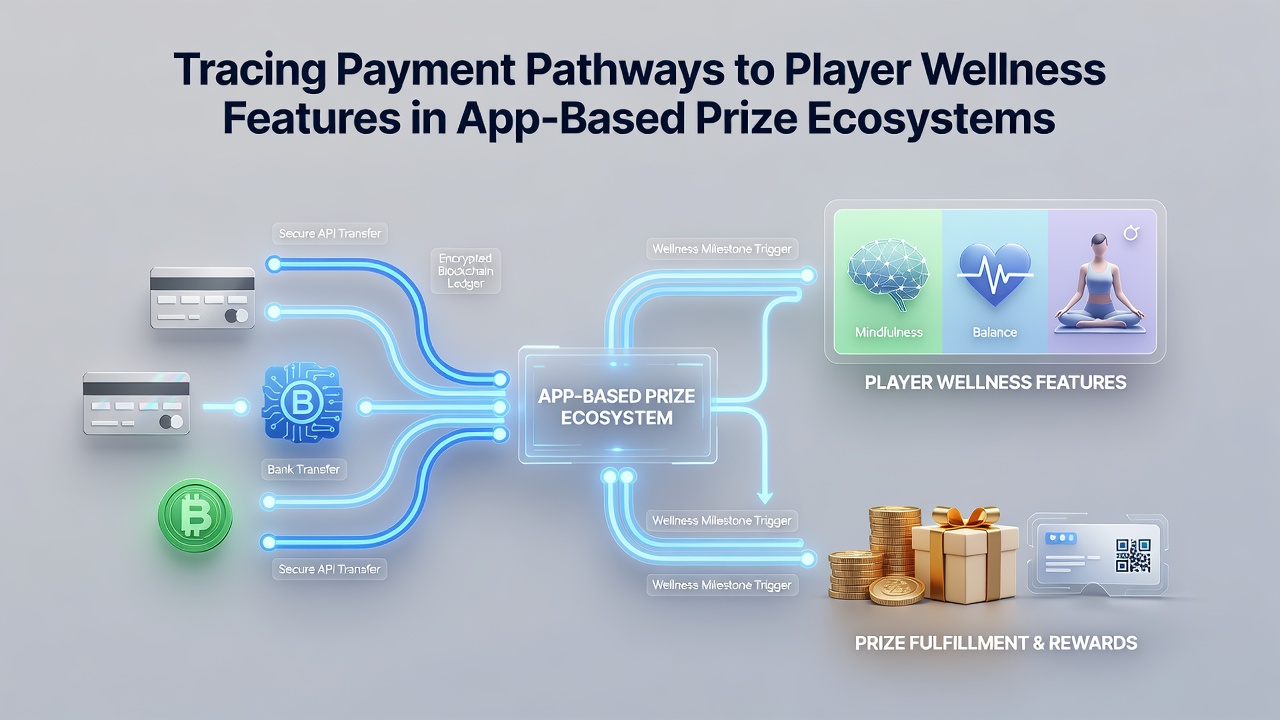
Payment pathways in app-based prize ecosystems now link directly to player wellness features through integrated transaction monitoring and automated limit systems. Developers route deposits and withdrawals through secure channels that simultaneously activate tools such as spending caps, session timers, and self-exclusion protocols. Research indicates these connections emerged as standard practice by mid-2025, with updates continuing into October 2026 as platforms refine data-sharing between financial processors and moderation engines.
Mapping Transaction Routes in Prize Applications
Transaction routes begin at user funding points and extend through verification layers before reaching prize mechanics. Each step records activity that wellness modules analyze in real time, triggering alerts or blocks when predefined thresholds appear. Observers note that this architecture allows instant correlation between deposit frequency and behavioral signals, creating pathways where payment data informs protective interventions without separate user actions.
Software teams embed these links during development cycles, ensuring payment gateways communicate with wellness databases through encrypted APIs. Figures from industry reports show adoption rates exceeding 85 percent among major providers by late 2025, driven by requirements in multiple jurisdictions. Data reveals that regions including Australia and parts of the European Union mandated such integrations earlier, prompting global alignment in October 2026 updates.
Integration Patterns Between Funding and Moderation Tools
Funding channels connect to moderation tools via shared ledgers that flag unusual patterns. For instance, repeated small deposits within short windows activate deposit-limit prompts or temporary holds. Those who've studied implementation details observe that this occurs automatically, with the system pausing further transactions until users review wellness options. Experts at organizations like the Australian Communications and Media Authority have documented similar mechanisms in licensed platforms, highlighting reduced escalation rates in monitored accounts.
Case examples include apps where withdrawal requests trigger wellness check-ins if prior activity suggests elevated risk. Payment processors forward metadata such as transaction velocity and amount clustering to internal dashboards, which then surface personalized resource links. Research from academic sources, including studies affiliated with the University of Sydney, demonstrates measurable shifts in user behavior when these pathways operate without friction.
Technical Components Supporting Wellness Activation
API endpoints handle the core linkage, passing encrypted payloads between payment services and wellness modules. Developers configure rulesets that interpret payment events as wellness triggers, such as exceeding daily volume limits. According to technical documentation reviewed in 2026, these components support multi-currency operations while maintaining compliance across borders. And because the pathways run in parallel, wellness features activate even during high-volume prize events without delaying core gameplay loops.
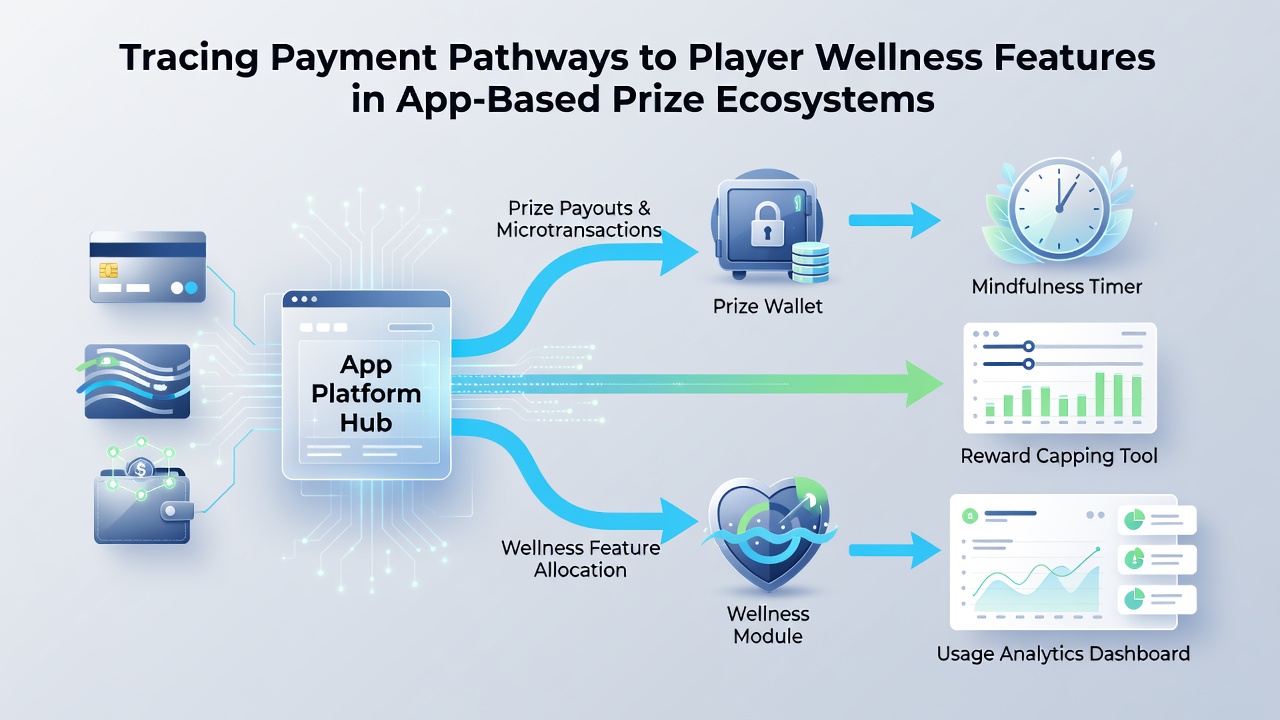
Additional layers include machine-learning classifiers trained on historical transaction sets. These classifiers identify sequences that precede common risk indicators, prompting preemptive wellness nudges. Data collected through October 2026 indicates progressive refinement of these models, with accuracy metrics improving across successive platform releases. Providers incorporate feedback loops that adjust thresholds based on aggregated anonymized outcomes reported by regulatory bodies in Canada and select EU member states.
Regulatory Developments Shaping Pathway Standards
Regulatory frameworks now require explicit documentation of how payment data feeds wellness systems. In October 2026 several licensing authorities expanded audit scopes to verify real-time connectivity and response times. Compliance teams map every transaction node to corresponding wellness actions, creating auditable trails that demonstrate adherence. Industry associations track these changes and publish comparative overviews that help developers align implementations across markets.
One notable shift involves mandatory testing of failover scenarios where payment pathways remain operational even if wellness modules experience brief outages. Reports from trade groups emphasize redundancy measures that preserve both transaction integrity and protective functions. Observers note ongoing collaboration between financial technology firms and gaming software studios to standardize these dual-purpose channels.
Conclusion
Payment pathways in app-based prize ecosystems continue to evolve alongside wellness features, forming interconnected systems that process transactions and protective measures in tandem. Documentation from October 2026 shows sustained refinement driven by regulatory expectations and technical capabilities. Those examining these structures find consistent patterns of automated linkage between funding events and moderation responses, supported by encrypted data flows and rule-based triggers. Further developments will likely build on existing frameworks as platforms adapt to new reporting requirements across regions.